
If you may need reimbursement later, paperwork is part of the treatment workflow, not an afterthought.
Many patients pay successfully, finish the visit, and only realize afterward that they left without the right invoice, diagnosis note, or report.
Who this guide helps
This guide helps if you may need reimbursement after paying first, proof of diagnosis or treatment, invoices for outpatient visits, tests, medicine, or admission, or documents for another doctor after returning home.
What to ask your insurer before the visit
Before you go to the hospital, ask your insurer whether treatment in China is covered, whether pre-authorization is required, whether direct billing is possible, which invoice formats are accepted, whether a diagnosis certificate is required, whether English translation is required, and how soon claims must be submitted.
Save the answers in writing. Hospital staff cannot guess the document standards of a foreign insurer.
Where documents usually come from
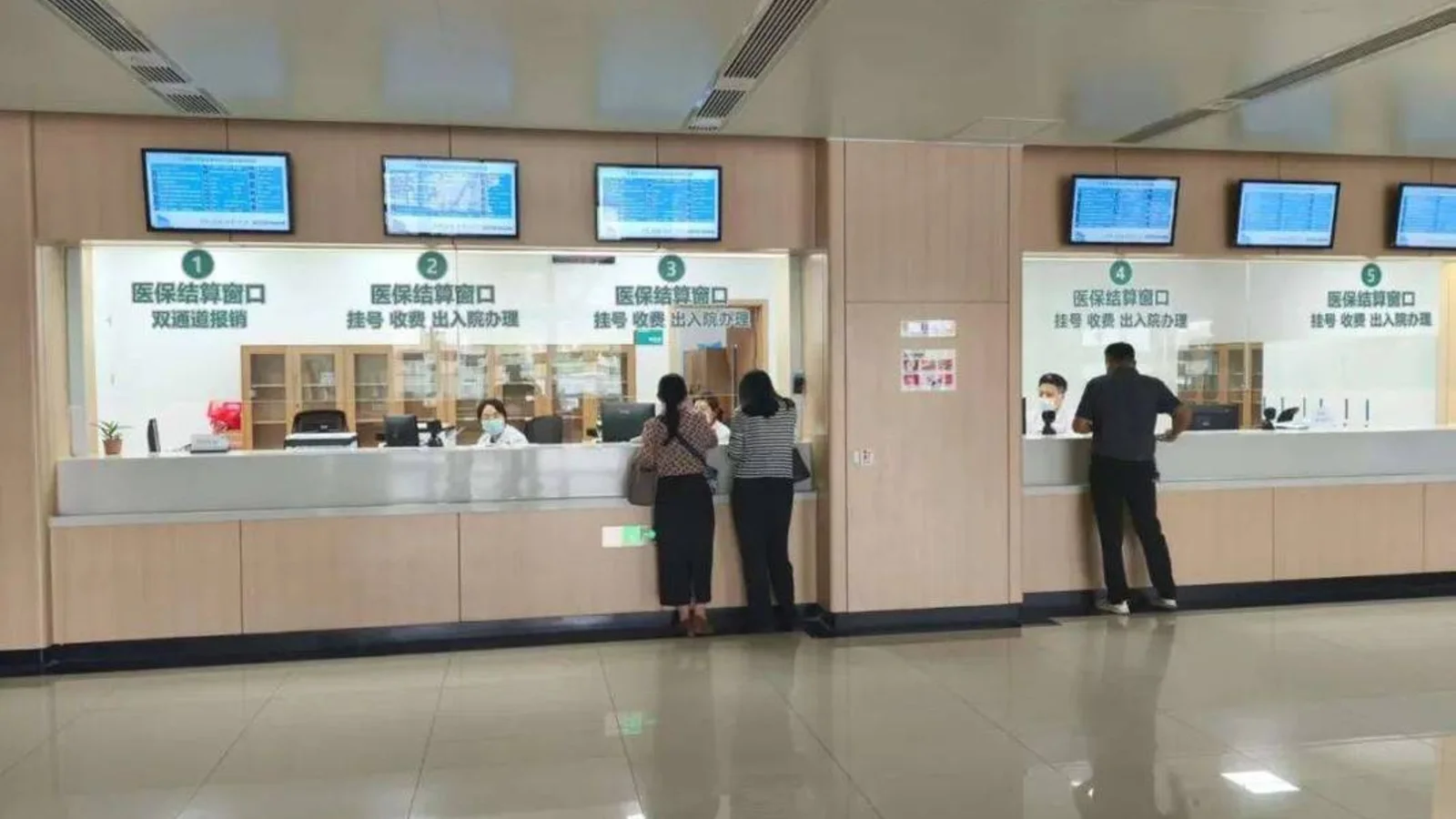
In China, the claim packet may come from several parts of the hospital: the registration or cashier counter, the pharmacy, the lab or imaging department, the doctor or department office, the inpatient billing office, or the medical records office.
That is why one payment receipt is rarely enough on its own.
The document mistake patients make most often
The most common mistake is thinking a payment screenshot equals a full claim packet.
It usually does not. You may still need an itemized invoice, a diagnosis document, a visit or discharge summary, test reports, and a medication list.
What to collect before you leave
Before you leave, ask for the itemized invoices or receipts, a diagnosis certificate if relevant, the outpatient or discharge summary, the prescription or medication list, lab and imaging reports, admission and discharge documents if you were inpatient, and a hospital stamp or official confirmation if your insurer requires it.
Then check the details carefully: name, passport number, hospital name, date, and amount paid.
What often causes claim trouble later
The friction usually comes from small misses: only keeping app payment screenshots, losing the printed invoice, forgetting to ask for diagnosis documents, assuming records will be available in English, leaving before the final inpatient bill is settled, using inconsistent name spelling, or discovering that the insurer wants a format the hospital does not normally issue.
If records are online, do not rely on that alone
Patient portals in other systems, such as NHS hospital portals, often let patients view results and documents online, but even there not every document is downloadable in the exact form needed for claims.
The same is true here. Online access helps, but claim success still often depends on the paper or officially issued version.
A simple rule that works
Before you walk out, ask yourself whether you have proof of payment, proof of diagnosis, the reports linked to the claim, and the inpatient papers if you were admitted.
If the answer to any of those is no, the paperwork is not finished.
Related guides / next step
If you are still organizing the payment side of the visit, read , , and .
Source note
This article's structure was shaped using patient billing and portal guidance from major hospital systems, especially how they separate billing records, clinical documents, and downloadable results, then adapted to common claim-document workflows in China hospitals.