
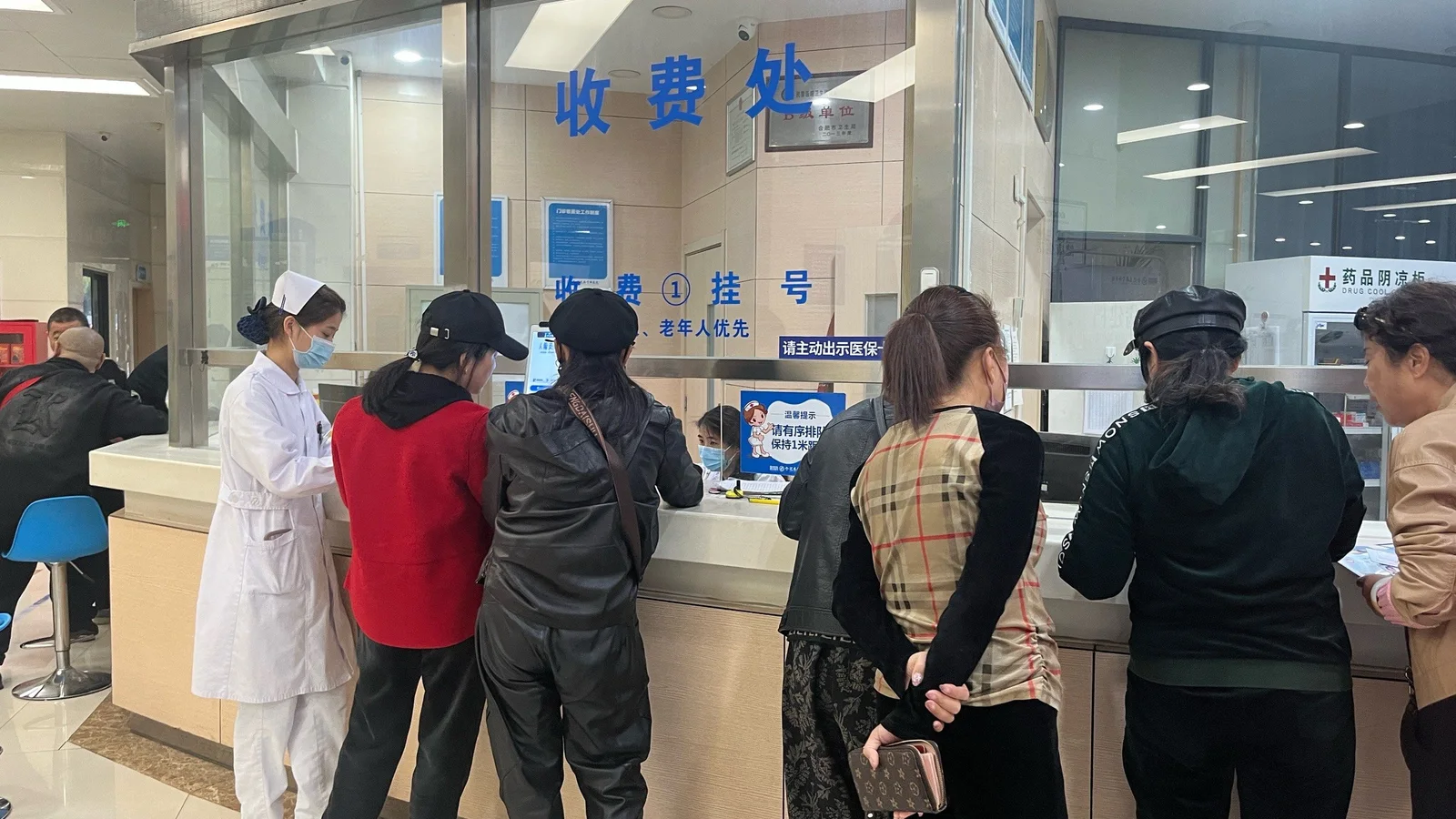
Hospital deposits in China usually become important when care moves beyond a simple outpatient visit.
What surprises many foreign patients is not the idea of a deposit itself. It is that the deposit may be required before admission, before a planned procedure, or before the full cost is completely clear.
Who this guide helps
This guide helps if your visit may involve inpatient admission, surgery, a planned procedure, emergency observation, expensive tests or medicines, or treatment where insurance approval is still uncertain.
What a deposit usually is
The deposit is usually not the final bill.
It is better to think of it as an upfront working balance, a financial checkpoint before inpatient care starts, and a payment the hospital may adjust later as treatment continues.
When deposits are more likely
You are more likely to run into a deposit when a doctor recommends admission, surgery is being scheduled, a procedure needs theatre or bed planning, treatment costs may be high, or insurance approval is not yet clear.
Outpatient visits often involve many small payments. Admission or procedure care may start with one larger upfront payment.
What to confirm before treatment starts
Before you agree to admission or a planned procedure, ask whether a deposit is required, what range is typical, what it usually covers, whether more deposits may be requested later, which payment methods are accepted, whether international cards work, whether direct billing is available, whether insurance pre-authorization is still needed, and how refund or final settlement works.
If insurance is involved, do not assume "cashless" automatically means "no deposit."
What the workflow often looks like
A common deposit workflow is straightforward: the doctor recommends admission or a procedure, the hospital gives an initial payment amount, the payment route is confirmed, the deposit is paid, treatment costs are adjusted during care, and final settlement happens before discharge or after billing review.
The key point is simple: the first payment is often not the last number.
What causes the most trouble
The trouble usually starts when the deposit rises after more tests are added, card limits are lower than expected, insurer approval moves more slowly than hospital timing, the refund process is unclear, receipts do not match insurer expectations, or a verbal estimate gets mistaken for a guaranteed total.
That is why a backup payment plan still matters, even when insurance support exists.
What the patient or companion should keep
Keep the deposit receipt, interim payment receipts, final settlement papers, and insurance-related billing documents together.
If the patient is admitted, the companion should also know where the payment records are stored, which office handles deposit questions, and who to contact if the amount changes.
A simple rule that works
Treat the deposit as part of the treatment budget, not as a side issue.
Before agreeing to admission or a procedure, try to know the likely deposit range, the likely backup payment route, and the likely refund or settlement process.
Related guides / next step
If deposits are only one part of the payment picture, continue with , , and .
Source note
This article's structure was shaped using hospital billing and inpatient-preparation guidance from major hospital systems, especially how they explain pre-service payment, changing cost scope, and final settlement, then adapted to common deposit workflows in China hospitals.