
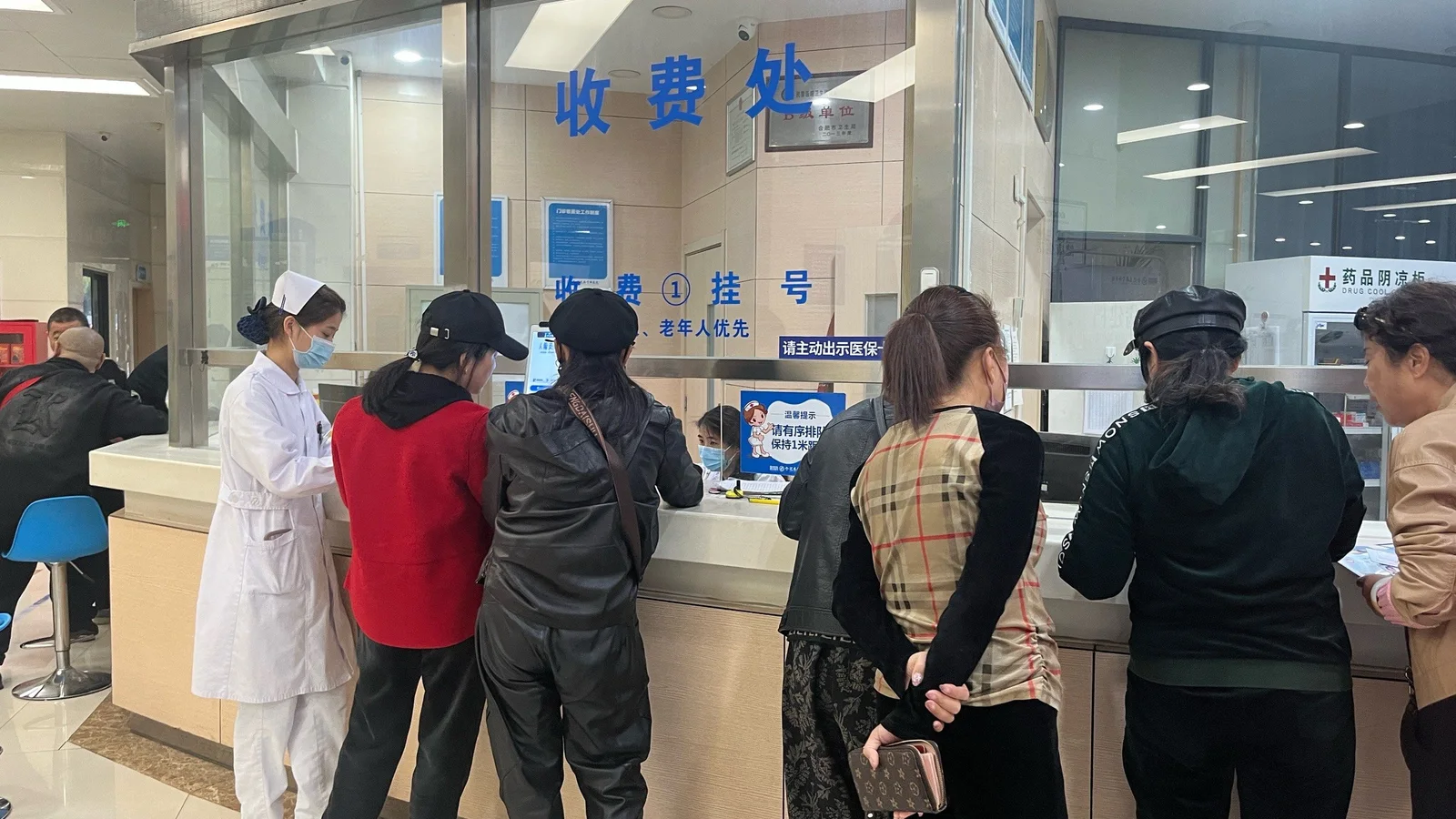
This guide is a practical planning reference. It is not financial, insurance, legal, or medical advice. Deposit rules vary by hospital, department, insurance arrangement, and treatment plan.
Who this guide is for
This guide is for foreign patients who may need:
- inpatient admission
- surgery
- a planned procedure
- emergency observation
- high-cost medication or tests
- treatment where insurance authorization is uncertain
Outpatient visits may involve repeated small payments. Inpatient or planned procedure care may involve a larger deposit.
What to prepare before travel
Before treatment, ask:
- whether a deposit is required
- estimated deposit range
- accepted payment methods
- whether international cards are accepted
- whether direct billing is available
- whether insurance pre-authorization is needed
- how refunds or balances are handled
- which documents are issued after payment
If you are using insurance, do not assume direct billing removes every upfront cost. Some hospitals or insurers still require deposits, guarantees, or pre-authorization.
What usually happens in China
Deposit workflows may include:
- doctor recommends admission or procedure
- hospital estimates an initial payment amount
- patient or insurer confirms payment route
- deposit is paid before admission or treatment
- costs are adjusted as care continues
- final settlement happens before discharge or after billing review
The initial deposit is not always the final cost. It is a working balance against expected care.
Common friction points
Foreign patients often struggle with:
- deposit amount changing after tests
- card limits lower than the required payment
- insurer approval taking longer than hospital timing
- unclear refund process
- receipts not matching insurer expectations
- payment being required before a bed or procedure is confirmed
- assuming a verbal estimate is a final quote
Deposits are one reason a realistic payment backup plan matters.
Practical checklist
Before agreeing to admission or a procedure, confirm:
- deposit amount and what it covers
- whether more deposits may be requested
- accepted payment methods and card limits
- refund or final settlement process
- whether the invoice can show your passport name
- whether insurance documents can be issued
- whether the hospital needs insurer authorization before care
- who to contact if the deposit needs adjustment
Keep receipts and settlement documents together. If the patient is admitted, the companion should know where payment records are stored.
Related guides / next step
Read these next:
Before planned care, treat the deposit as a core part of the treatment budget, not an afterthought.